Destinations
Bridal Makeup in Paris: A Look That Travels Well
From a quiet hotel morning to portraits along the Seine, plan makeup around your real wedding day.
Explore the guideThoughtful makeup guidance for a wedding that feels like you. From Paris mornings to a celebration by the sea.
Find your starting pointBeauty, preparation & destination notesA considered beginningBridalMakeupInFrance.com is an independent editorial resource for brides planning weddings in France. Find practical guidance on makeup styles, skin preparation, beauty trials and the details that connect a getting-ready room to the rest of your celebration. Our focus is a look that feels personal, a plan you can use and information that makes the next conversation with an artist or venue more useful.
You do not need to adopt a particular idea of French beauty to belong here. Some brides prefer visible freckles and a quiet lip; others feel most themselves with strong eyeliner or fuller coverage. We explore those choices without ranking them. The destination adds practical questions about light, weather, transport and preparation, while your own preferences remain the starting point.
A look you recognise.
A plan you can use.
The strongest bridal makeup brief connects three things: what you enjoy wearing, what your skin tolerates and what the day will involve. A reference photograph can express a mood, but it cannot describe how a lip product feels after dinner or how a base wears during outdoor portraits. A trial gives those preferences a practical setting.
Begin by identifying the feature you want to recognise in your photographs. It might be softly defined eyes, your natural brows, a favourite lip shade or visible skin texture. Tell the artist which parts of a reference appeal to you, rather than asking them to reproduce an entire edited image. That makes room for adaptation to your features and comfort.
Then share the itinerary. Explain when the ceremony begins, how you will travel and whether portraits happen before or afterwards. Mention contact lenses, previous reactions and the way you usually prepare your skin. These ordinary details help build a more useful makeup plan than a destination label alone.
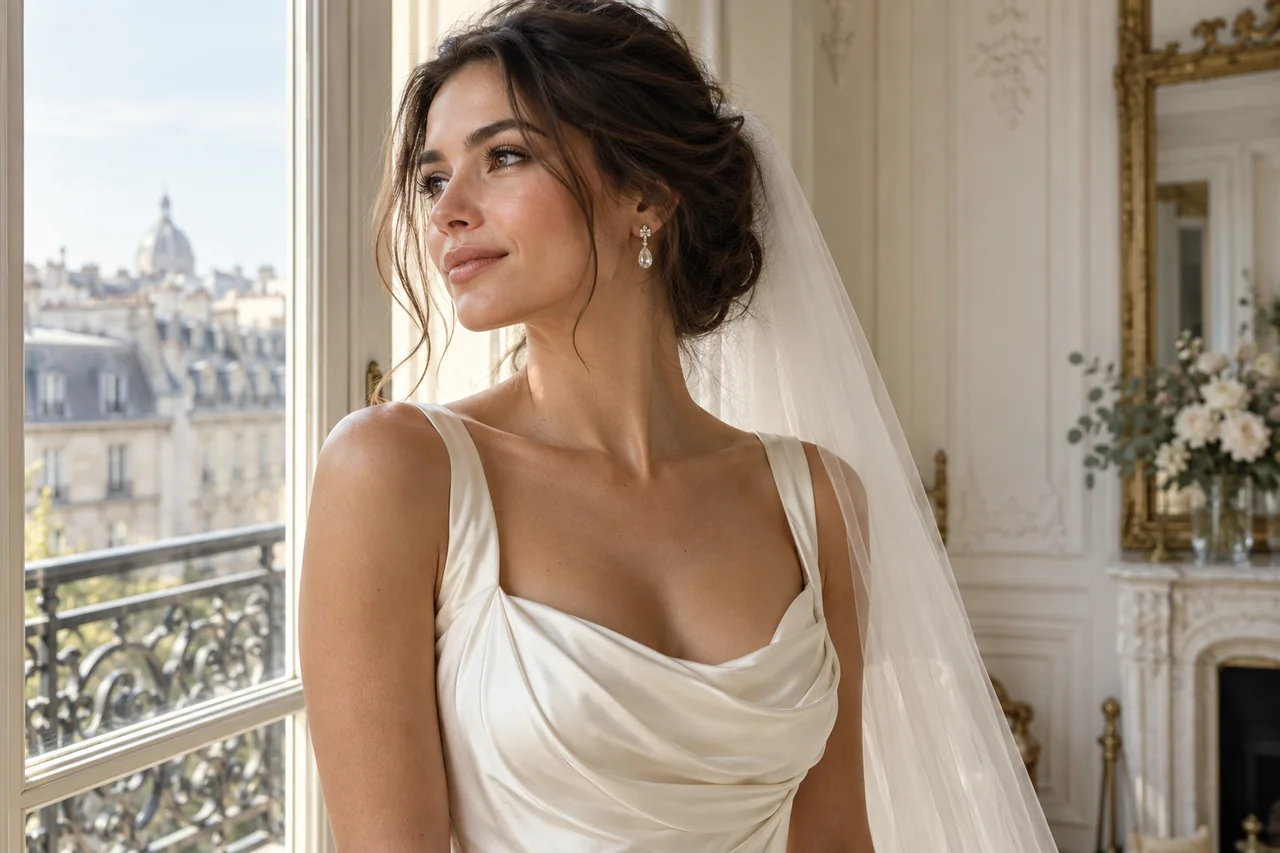
From a quiet hotel morning to portraits along the Seine, plan makeup around your real wedding day.
Explore the guideFrom a quiet hotel morning to portraits along the Seine, plan makeup around your real wedding day.
Explore the guide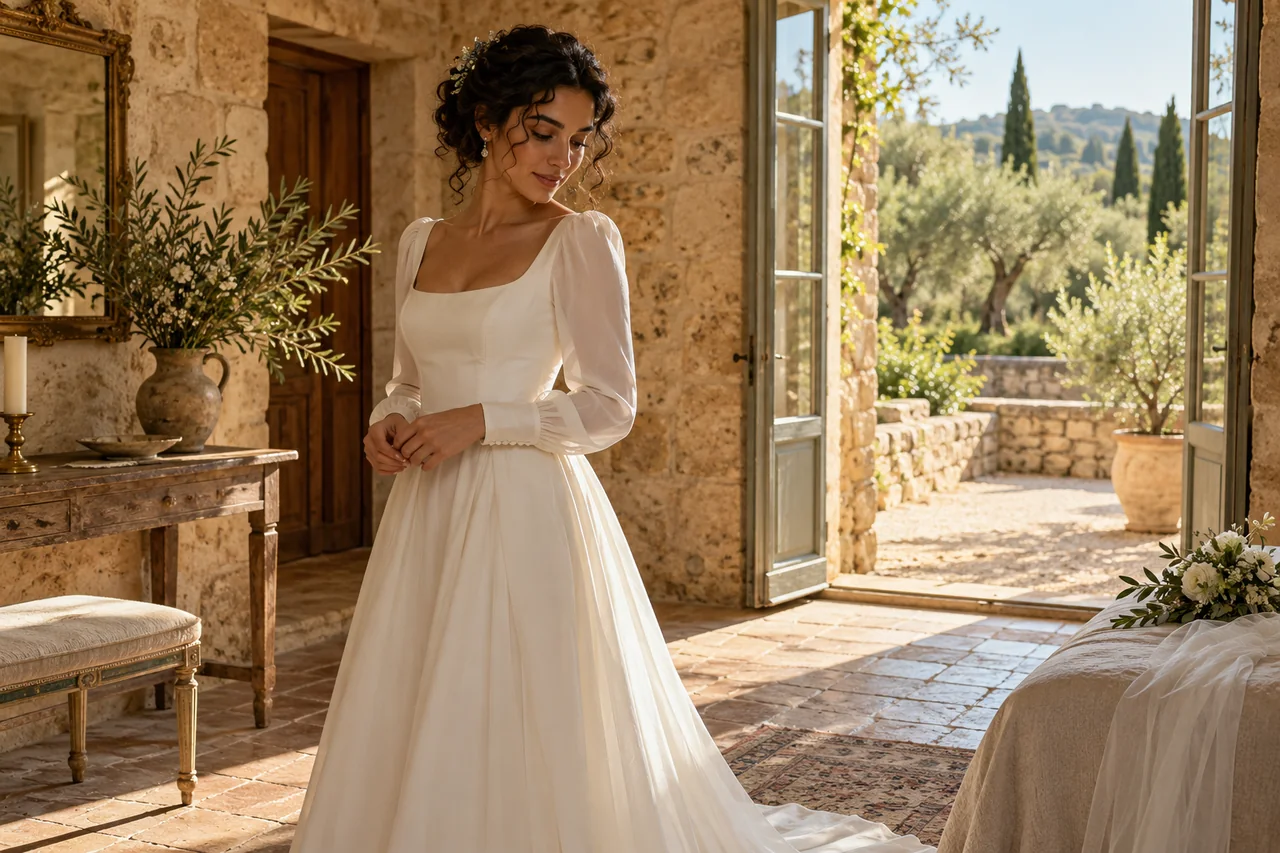
A practical plan for shaded preparation, outdoor ceremonies and a complexion that still feels like skin.
Explore the guide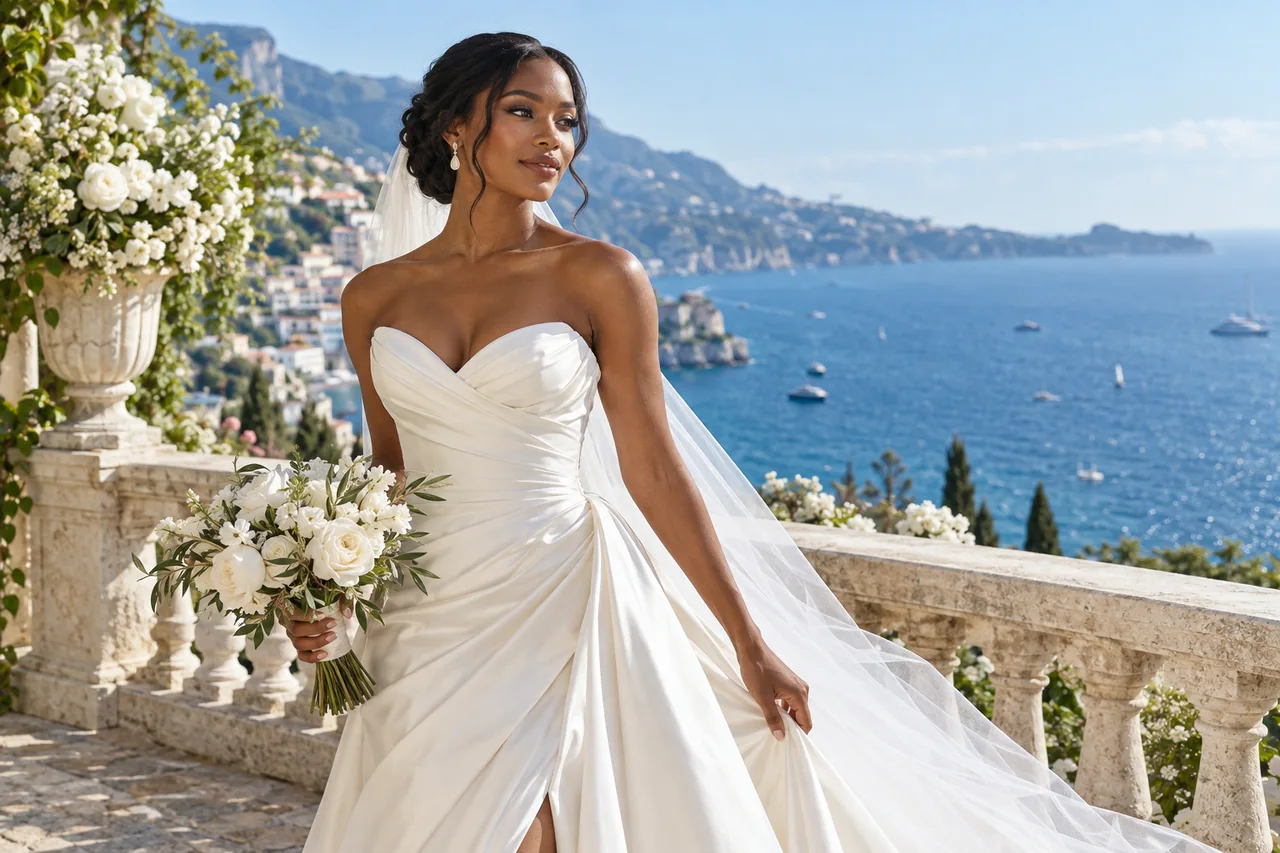
Plan around sea light, breezes, travel and the move from afternoon ceremony to evening celebration.
Explore the guideParis asks you to think about movement between locations. A hotel appointment, civil ceremony, street portraits and restaurant reception may bring several kinds of light and several opportunities for delay. Confirm the route, protect dressing time and keep the touch-up kit with someone travelling alongside you. The city does not require a red lip, but it does reward a plan that travels well.
In Provence, start with the venue and ceremony time. A countryside celebration may include a shaded stone room, an exposed courtyard or a late garden dinner, and each arrangement changes the preparation conversation. Ask about ventilation, supplier access and the place where the bride waits before entering. Regional inspiration is useful; the booked property determines the practical details.
On the French Riviera, distinguish the coastal view from the actual conditions. A sheltered hotel terrace is different from an exposed shoreline or a boat transfer. Ask the photographer where portraits will happen and agree where a quiet refresh can fit. Hair, lip texture and kit access deserve attention if the day involves breezes or movement between venues.
For broader destination research, France.fr’s official travel inspiration offers a starting point. Confirm venue access, room conditions and wedding arrangements with your own providers. A tourism guide cannot predict the circumstances of a particular ceremony.
Natural makeup is not always minimal product, and glam makeup is not always heavy coverage. Both labels can include different complexion finishes, lash choices and lip colours. Break the look into separate decisions: how much coverage you want, how strongly you want the eyes defined, which lip texture you enjoy and where you prefer shine.
Compare references with your actual habits. If you rarely wear lashes, test them for several hours before deciding. If you enjoy lipstick and are comfortable refreshing it, a stronger shade may be easy to manage. If you know you will forget touch-ups, discuss how the selected products wear as they fade. Comfort is part of the aesthetic decision.
Compare natural and glam choicesDate, venue, artist and the route.
Wear the look. Notice what changes.
Make specific adjustments together.
Protect time and pack a small kit.
Start with the ceremony deadline and work backwards. Include the journey, getting dressed, photographs before departure and a buffer. Ask the hair and makeup team to estimate their own service times and agree the sequence together. A fixed timetable copied from another wedding may overlook your dress, the number of appointments or access to the room.
Once the venue and date are confirmed, check artist availability and ask what the booking includes. Get the trial, travel charges, early start and replacement arrangements in writing. If you are doing your own makeup, reserve practice sessions instead. A self-applied look still benefits from a tested routine and enough time on the morning.
Schedule the trial with room to reflect and make changes. Bring a few focused references, skin preparation details and outfit information. Photograph the result in ordinary light and wear it afterwards. Record specific observations so a second conversation can focus on what to keep and what to adjust, rather than starting again from a vague style label.
In the final week, reduce decisions. Confirm the room, appointment list, supplier arrival details and touch-up pouch. Keep personal notes and gifts ready before the morning. The timeline should support a calm sequence without promising that every moment will be calm; excitement, delays and ordinary nerves can exist within a well-organised plan.
A summer wedding needs more than a long-wear label. Check how much time will be spent outside, where shade is available and whether the preparation room is comfortable. Ask about a brief complexion check after outdoor portraits. Sunscreen, water and a sensible waiting place are separate parts of the plan, rather than things makeup can replace.
For cooler months, consider heating inside the getting-ready room and the clothing you will wear between locations. A wrap should be practical around the finished hairstyle and lip colour. If rain is possible, agree a portrait backup and transport plan with the photographer and coordinator. A familiar look with small adjustments is easier to manage than unfamiliar products introduced that morning.
Spring and autumn can bring mixed conditions, so keep a flexible itinerary rather than assigning one guaranteed type of weather to a region. Look at the forecast close to the date and ask local providers about your specific spaces. Your indoor lighting, ceremony time and time outside are more useful than a general seasonal stereotype.
Begin with the products your skin already tolerates. A gentle, familiar routine is a practical baseline for travel and makeup testing. If you have persistent acne, eczema, rosacea or a history of reactions, ask a qualified clinician about your own care. A wedding beauty checklist should not change prescribed treatment or set a universal recovery period for a procedure.
Introduce new products early enough to observe the response, and avoid changing several things at once. Small-area testing is a precaution rather than a guarantee or a medical allergy test. The AAD explains how to test skincare products; stop using a product that causes a reaction and seek appropriate advice if needed.
Pack enough familiar care for the trip, check current baggage rules and label any suitable travel containers. Keep your usual cleanser, moisturiser and sunscreen easy to find after arrival. You do not need a suitcase of treatments. A predictable routine also makes it easier to tell the artist what was used before the makeup appointment.
Read the skin preparation guide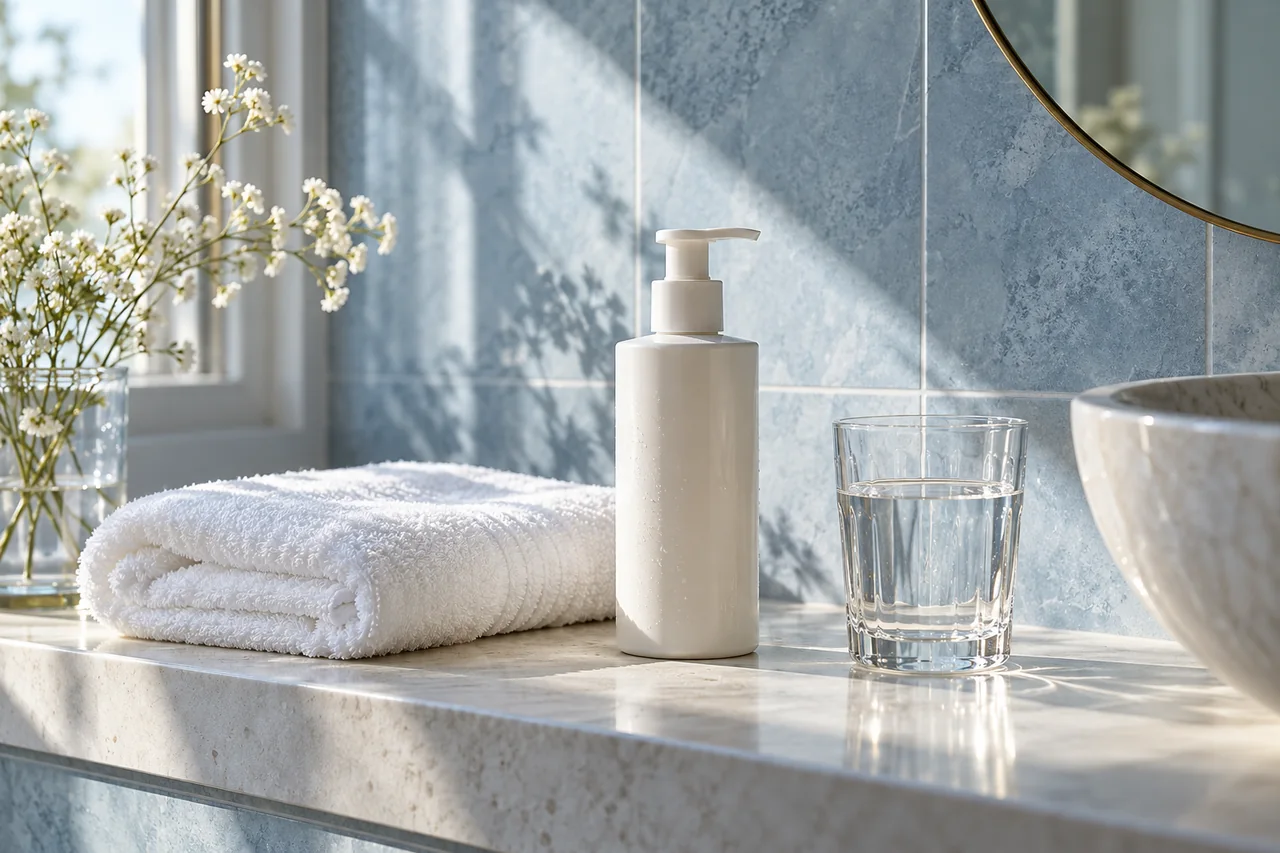
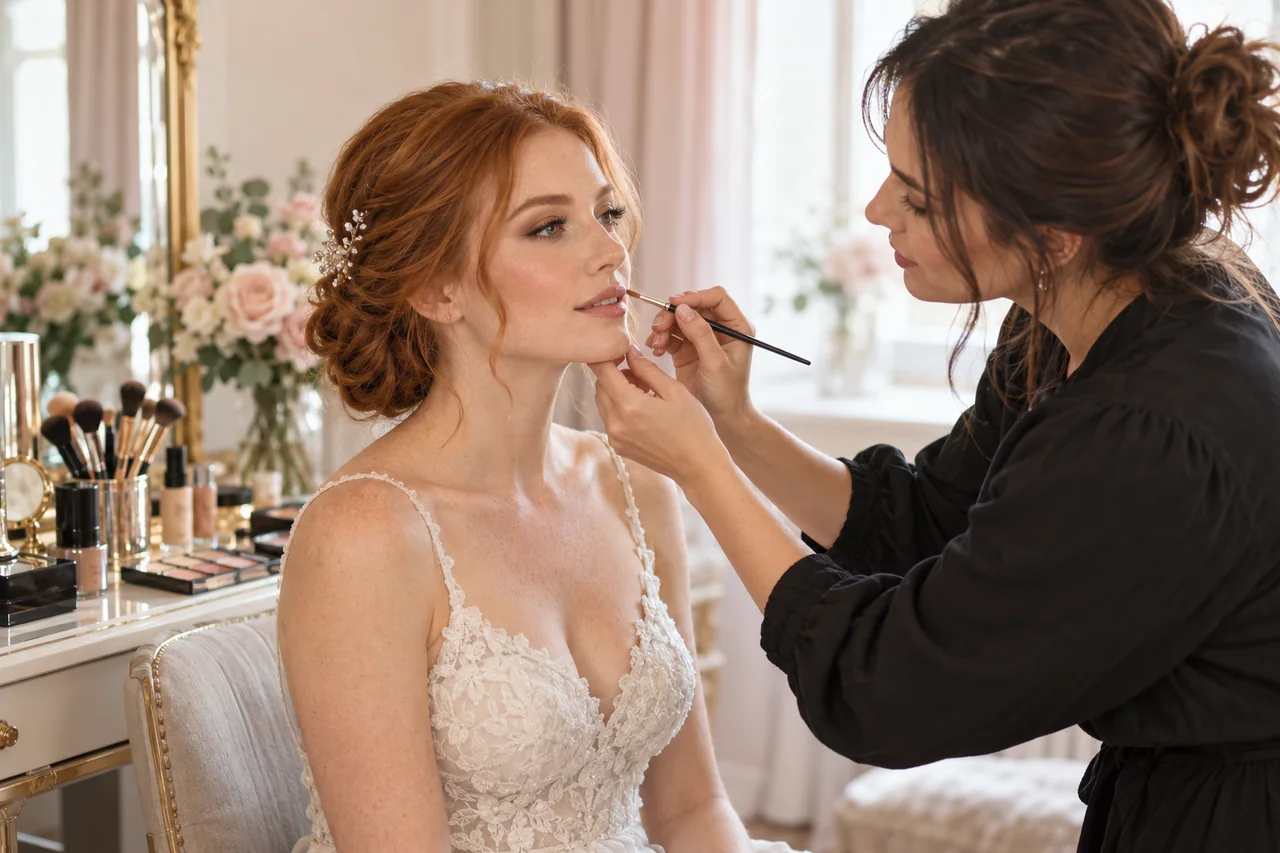
A trial is a conversation as much as an application. Ask how the artist interprets your references and describe the finish you prefer. Check the makeup in a mirror close up and from a conversational distance. Skin texture remains normal, even in a carefully applied bridal look, and a heavily edited photograph is not a realistic standard for every moment of the day.
Take unfiltered photographs near a window, outdoors in shade, indoors and with flash. Add a wider portrait. The images can help identify colours or shine you want to adjust, although they cannot reproduce every aspect of professional wedding photography. Keep your in-person impression and comfort alongside the photographs when deciding what to change.
Notice how the makeup behaves after a meal and several hours of wear. Specific feedback such as a dry lip, an uncomfortable lash or too much shimmer helps the artist refine the result. Ask for a short demonstration of touch-ups with the products you will actually carry. Familiarity makes a small kit much more useful.
Bring the hairstyle, neckline and accessories into the makeup discussion. Hair moving across a glossy lip may feel distracting outdoors; a veil or high collar can affect the final application sequence. Ask the professionals when the veil is fitted, who checks the finished look and when you can get dressed without rushing between chairs.
If you want an evening change, keep it achievable. A deeper lip may be easier to arrange than a complete second look between venues. Confirm who will make the change and where the supplies will be. If you prefer the same makeup all day, there is no obligation to create a second version for dinner.
A steady routine, sensible product testing and fewer last-minute experiments.
Explore the guideCompare coverage, definition, maintenance and comfort without treating either style as the “correct” bridal look.
Explore the guideWork backwards from the ceremony, with room for travel, skincare decisions and the unexpected.
Explore the guide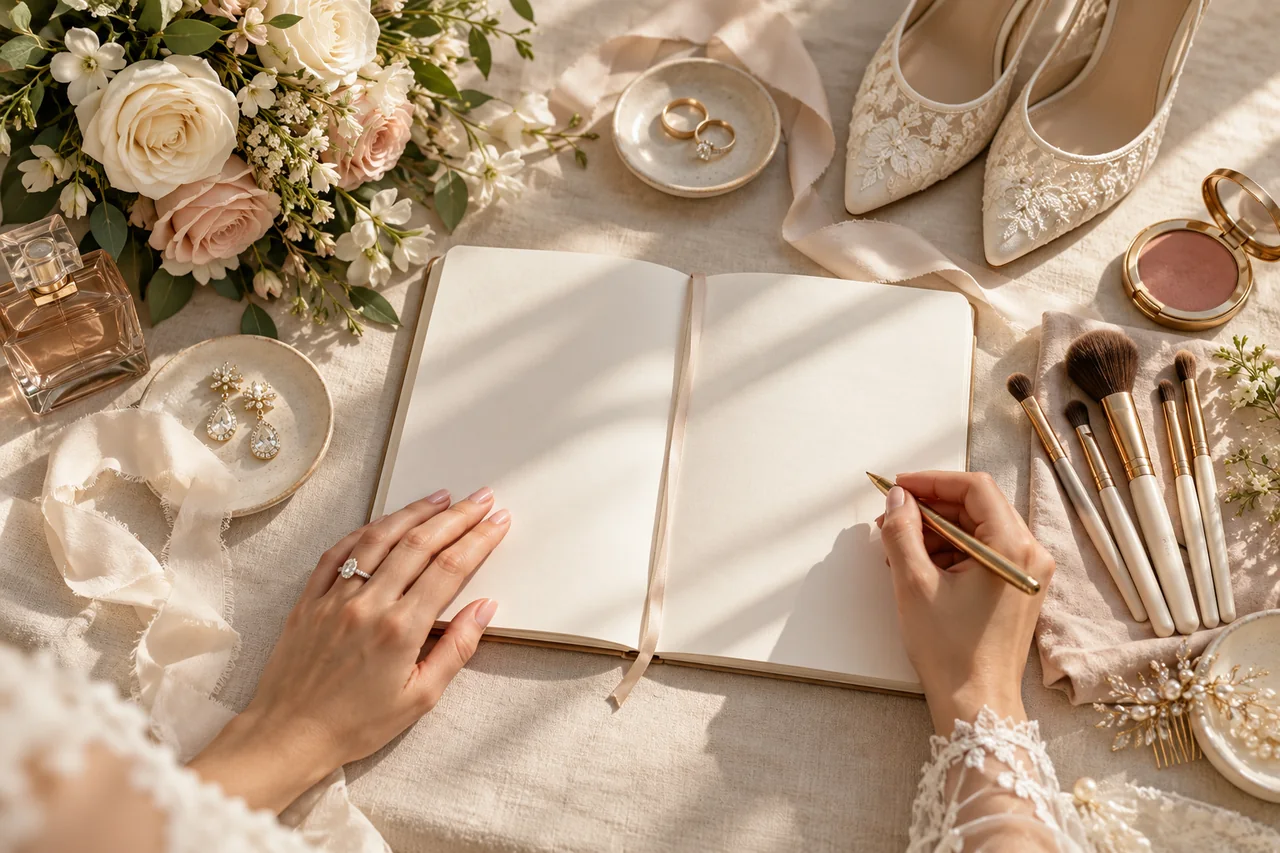
No. Professional application can be helpful, but self-applied makeup is also a valid choice. Rehearse the complete routine, test it in different light and give yourself enough time. Choose the arrangement that fits your preferences, budget and confidence.
Bring a small set of references, one photograph of yourself you like, outfit and hair ideas, and details of your usual skincare. Mention sensitivities and the planned wedding itinerary. Ask the artist how to arrive and prepare before the appointment.
Not automatically. Outdoor time, lighting, skin preferences and product performance matter more than the destination label. Test the coverage and finish you like instead of assuming a thicker base will solve every practical concern.
Our guides provide general information and planning ideas. Diagnosis, prescribed treatment and procedural recovery advice belong with a qualified clinician. Adapt cosmetic choices to your own sensitivities and professional advice.
This publication brings together destination planning and bridal beauty decisions without presenting itself as a salon or booking agency. We do not claim first-hand wedding experiences, professional certifications or a team of named specialists that has not been verified. Practical suggestions are editorial guidance; source-backed information is linked where it helps readers check the underlying advice.
Our articles are AI-assisted and edited for this publication. The photographs are AI-generated editorial illustrations, not records of clients, services or real weddings. Read our editorial policy for the approach to research, corrections and updates. If you spot a problem, the contact page explains what information helps us review it.
A destination. A look. A morning to plan.
Open the journal